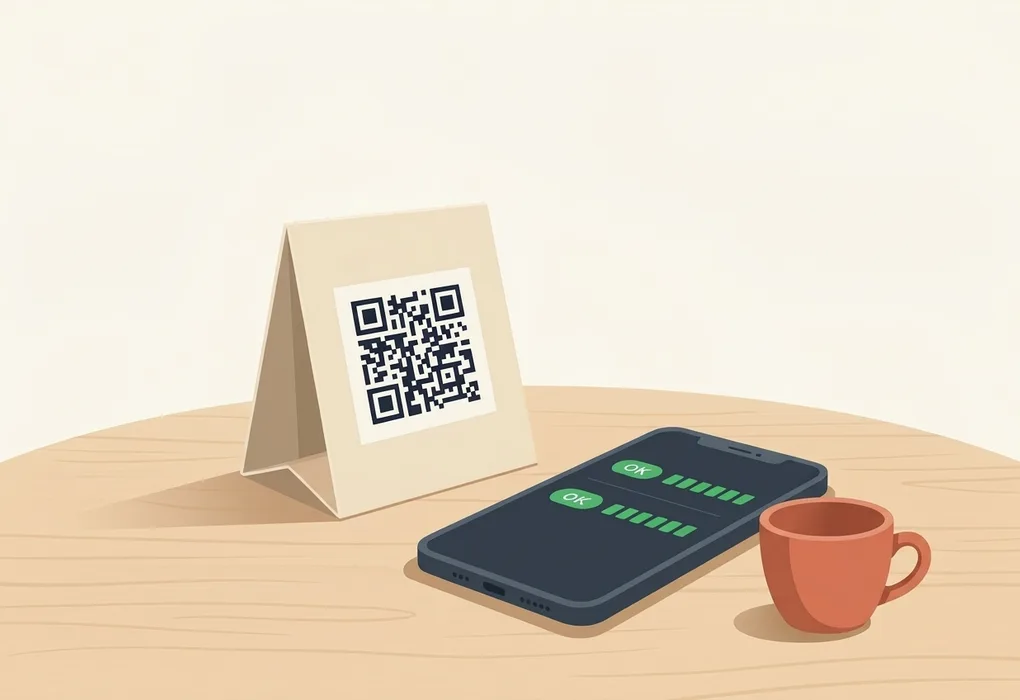
A QR code printed on a menu, a hotel room door or a flyer can't be corrected. If it stops working, your customer finds out first, at the table or at the door of the rental. You usually hear about it later, in a review or a message.
That is why a dynamic QR code needs a platform that is monitored at all times. Here is how we do it at Pliyos.
What we monitor
Two checks run every five minutes, day and night.
The application and its database. A health endpoint queries the database on every call. If the database stops responding, we know, even if the home page still loads.
The path of a real scan. A test QR code is "scanned" on every check: we confirm that the redirect sends visitors to the right page. It is the same path every one of your customers takes.
Who gets alerted, and how
Monitoring is handled by Astry, a French on-call and incident management platform. When one of our automated checks fails, Astry automatically opens an incident and alerts the on-call person by text message or phone call. If they don't respond within the set time, Astry works through the escalation chain until someone takes charge of the incident.
Every incident is logged: when it started, who picked it up, when it was resolved.
What it means for you
- Restaurants: your menu loads during service, and an overnight issue is handled before you open.
- Hotels, Airbnb hosts and property managers: the welcome book is available whenever guests arrive.
- Agencies and brands: you can give your clients a precise answer when they ask how their QR codes are monitored, including on white label.
Hosted in Europe
Pliyos is built in France and hosted in Europe, in Frankfurt. Monitoring doesn't replace solid infrastructure. It lets us react quickly when something goes wrong, which eventually happens to every platform.
Questions about the reliability of your QR codes? Write to support@pliyos.com.